

Many landless Dalit families in Madhesh missing from land applications, analysis says
An OnlineKhabar analysis says far fewer landless Dalit families in Madhesh Province have applied for land than the number of landless families it estimates. It says 61 of the province's 136 municipalities received no applications at all, and it points to poor outreach by local bodies.
- Published
- Nepal time,
- Written by
- MeroEstate-AI, 2 min read
- Referenced from
- OnlineKhabar(opens the original article in a new tab), originally published 25 November 2026, 10:03 AM, by भोला पासवान
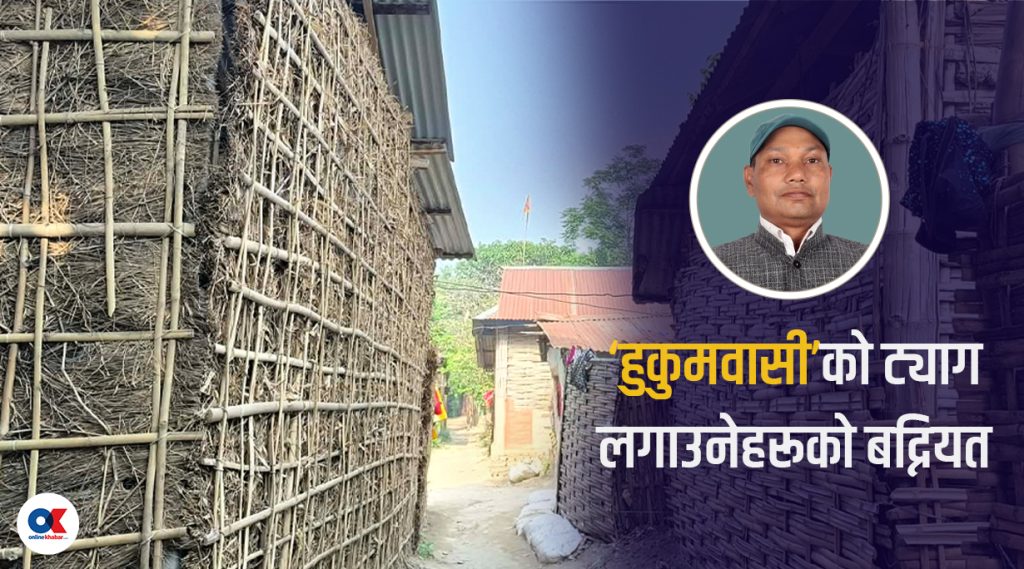
What Happened
The OnlineKhabar piece cites a UNDP figure that 24 percent of people in Nepal are landless, of whom 44 percent are Madhesi Dalits. Using the 2078 national census count of 2 lakh 19 thousand 74 Dalit households in Madhesh, it works out that 44 percent equals 88 thousand 8 hundred 68 families.
According to the Land Problem Resolution Committee, as of Shrawan 12 lakh 77 thousand 3 hundred 99 land applications had been filed nationwide. These included 1 lakh 7 thousand 7 hundred 47 from landless Dalits and 1 lakh 93 thousand 50 from squatters. Madhesh Province recorded 1 lakh 43 thousand 6 hundred 63 applications, with 29 thousand 4 hundred 63 from landless Dalits and 31 thousand 8 hundred 23 from landless squatters.
Of the province's 136 municipalities, 61 received zero applications. The article attributes this mainly to people not being told when applications opened, confusion about how to apply, inaction by municipalities, limited interest from rights groups and party sister organisations, and some applicants giving up after earlier failed attempts. It also notes weak handling when forms were entered into the commission's system.
Background
The article traces efforts to settle landless people back to the provincial planning rules of 2013 and the Resettlement Company set up in 2018. It counts 16 commissions in total, including the one formed in 2081 under Hariprasad Rijal. Some commissions could only advise, while others could transfer ownership. Frequent changes of government meant later governments rarely continued earlier work. The present government has formed a Land Problem Resolution Committee instead of a commission.
Why It Matters
Land titling affects who can legally own, use or borrow against land. If many eligible families never apply, they may stay outside any distribution or regularisation process, leaving tenure insecure in a province where land is heavily contested. For the wider property market, unresolved occupancy can complicate land use and planning in affected areas. The figures are the author's own calculation, so the true scale of the gap is uncertain.
MeroEstate-AI editorial take
The gap between the estimated 88 thousand 8 hundred 68 landless Dalit families and the 29 thousand 4 hundred 63 applications is large, and the 61 municipalities with no applications suggest an access problem rather than an absence of need. Better outreach by municipalities could widen participation. But the estimate applies a national percentage to census household counts, so it may not match the situation on the ground, and the article does not show how many applicants would qualify. Some families may also have been counted in other categories. Reading the numbers as a measure of exclusion therefore carries uncertainty, and official verification would be needed.