

 01
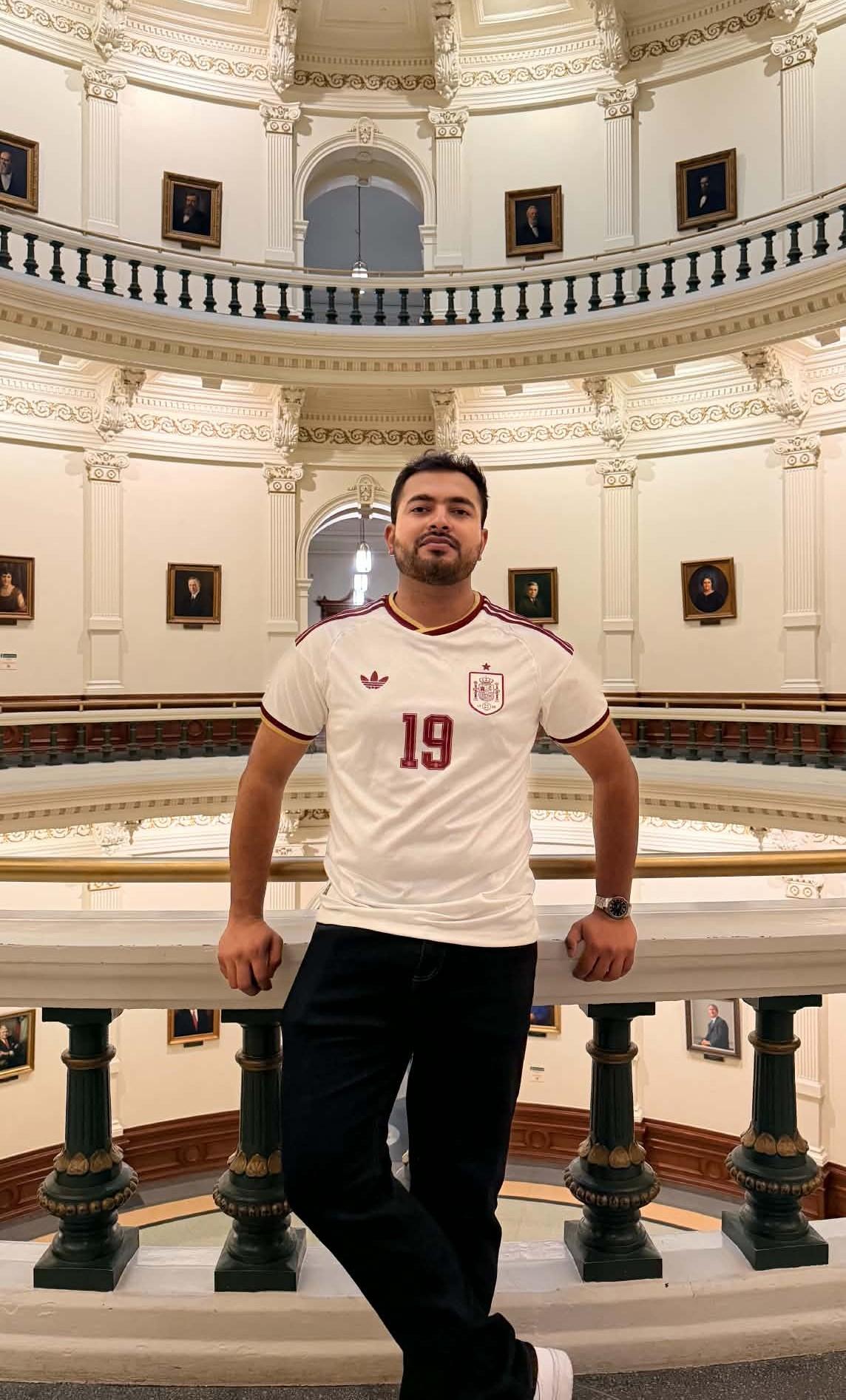
The people building MeroEstate
A small team with a big belief in Nepal.
We believe real estate information should be more transparent, accessible, and reliable than it is today.
Our mission01 02
 03
Our mission
Why we are building MeroEstate, in our own words.
Nepal deserves one honest map of its homes and land.
By Alok JhaFounder
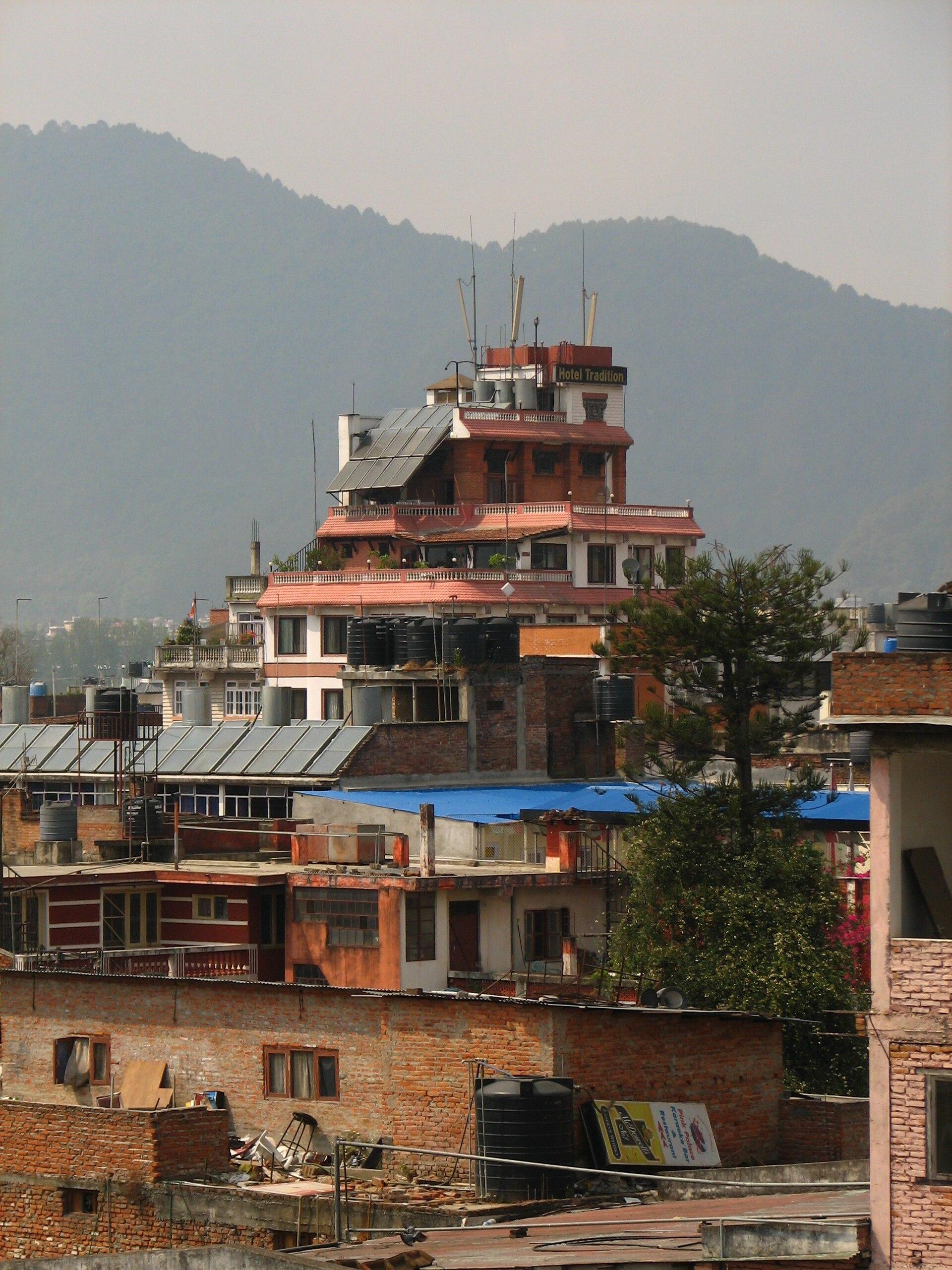
Every family I know has a version of the same story. A cousin arrives in Kathmandu for college and spends two weeks walking from gate to gate asking for a room. A father sells land in the TeraiTeraiNepal’s southern lowland plains along the Indian border, home to about half the population, with its own land units and customs.Click to open Wikipedia and finds out a year later that the buyer paid the brokerbrokerIn Nepal usually an informal, unlicensed agent (dalal) who connects buyers and sellers and takes a commission from both sides.Click to open Wikipedia far more than he was told. A friend rents a flat from photos, and the photos were of a different flat. None of this is unusual. It is simply how the property market in Nepal works, and we have accepted it for so long that it no longer looks broken.
MeroEstate exists because we think it is broken, and because we think it can be fixed with patience, software, and a few stubborn rules.
Word of mouth is still the market
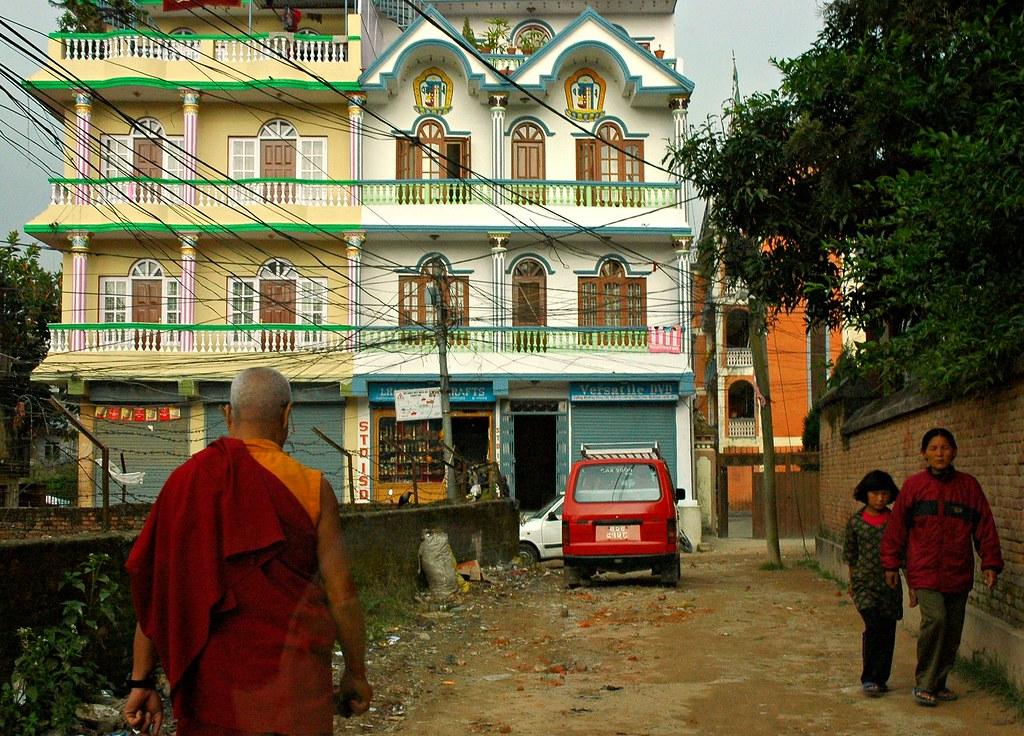
There is no shared place where homes for sale and rooms for rent in Nepal are recorded. A "To-Let" signTo-Let signA painted or printed sign on a gate saying a room or flat is for rent, with a phone number. Still the main way rentals are found.Click to open Wikipedia on a gate, a shopkeeper who knows the landlord, a Facebook group with a phone number and three blurry photos, a relative who heard that someone in BhaisepatiBhaisepatiA planned residential area in the south of Lalitpur, popular with families moving out of the city core.Click to open Wikipedia is selling: this is the search engine. Students looking for hostelshostelShared student accommodation near colleges, usually found by asking around rather than through any listing.Click to open Wikipedia and rooms still go door to door, in the heat, in exam week, because there is nothing else to do.
The cost of this is invisible because it is spread across millions of small losses. Time. Bus fares. The flat you never heard about. The buyer who never found your house. A market that runs on rumour rewards whoever shouts loudest, not whoever has the best home at a fair price.
There is no MLSMLSMultiple Listing Service: a shared database where cooperating brokers list homes once and every member sees them, with rules on accuracy and commission.Click to open Wikipedia, and that changes everything
In the United States, nearly every brokerbrokerIn Nepal usually an informal, unlicensed agent (dalal) who connects buyers and sellers and takes a commission from both sides.Click to open Wikipedia shares their listings through a Multiple Listing ServiceMLSMultiple Listing Service: a shared database where cooperating brokers list homes once and every member sees them, with rules on accuracy and commission.Click to open Wikipedia: a common database with rules about accuracy, who is representing whom, and how commissions are split. ZillowZillowThe largest consumer real-estate site in the United States: nearly every home, with price history and valuations, built on shared MLS data.Click to open Wikipedia and Realtor.comRealtor.comA US listings site fed directly by hundreds of MLS databases, so a home listed by a broker appears there within minutes.Click to open Wikipedia are built on top of that shared layer. A buyer in Texas can see every home for sale in a city, with its price historyprice historyThe record of past asking and sale prices for one home. Standard on American sites, absent in Nepal because sales are not recorded at real prices.Click to open Wikipedia, because brokers agreed decades ago to cooperate instead of hoarding.
Nepal has no such layer. Each brokerbrokerIn Nepal usually an informal, unlicensed agent (dalal) who connects buyers and sellers and takes a commission from both sides.Click to open Wikipedia keeps their own notebook. The same house is offered through five people at five prices. When a deal closes, the information dies with it: nobody knows what actually sold, where, or for how much. The government valuationgovernment valuationThe minimum land value a Land Revenue Office sets for registration tax. Deals are usually registered at this figure, far below the real price.Click to open dolma.gov.np used at the Land Revenue OfficeLand Revenue OfficeThe Malpot office in each district that registers land transfers, collects land tax and issues the Lalpurja.Click to open dolma.gov.np is often far below the real price, so even the official record cannot tell you what a plot is worth. Banks, planners, families and first-time buyers all make decisions in the dark.
Nobody checks the pictures
Open any listing site in Nepal and you will find homes with one photo of a gate, prices listed as "negotiable" with no number, and flats photographed years ago. You will also find listings posted by people who do not own the property and have never been inside it. There is no quality control because there is no accountability: the person posting is not the person responsible.
We decided early that MeroEstate would be slower and stricter. A listing goes live only after the owner, or someone they have explicitly authorised, proves ownership. Land listings carry the LalpurjaLalpurjaThe land ownership certificate ("red paper") issued by a Land Revenue Office in Nepal. It proves title, not the boundary on the ground.Click to open dolma.gov.np, the kitta numberkitta numberThe parcel number a plot carries on the government cadastral map. It links the Lalpurja, the map and every transaction.Click to open Wikipedia and a boundary drawn on the map. Photos are reviewed. A price is a number. It makes our catalogue smaller than it could be. It also makes it worth trusting.
Your listing, with someone else’s name on it
I will not name them, but there are agencies in Nepal that will happily let you post your property on their site. Your photos, your floor plan, your asking price. Then they replace your name and phone number with theirs, sit between you and every buyer, and take a cut from both sides that neither of you can see. You cannot tell how many people called. You cannot tell what they were quoted. The listing is yours; the market for it belongs to someone else.
On MeroEstate the owner stays on the listing. If you want a brokerbrokerIn Nepal usually an informal, unlicensed agent (dalal) who connects buyers and sellers and takes a commission from both sides.Click to open Wikipedia to represent you, you grant them that role yourself through representationrepresentationMeroEstate’s feature for letting a broker or relative act for an owner, with permissions the owner can see and revoke. Both names stay on the listing.Click to open MeroEstate, with permissions you can see and revoke, and their name appears next to yours, not instead of it. If you want more visibility, you buy it with tokenstokensMeroEstate’s prepaid credits (10 tokens per rupee) for optional visibility such as boosting a listing, at a published price.Click to open MeroEstate at a published price. There is no hidden commission because there is nowhere to hide one.
Land is where it hurts most
Most of the wealth of Nepali families is land, and land is the least documented market we have. Hill plots are measured in ropani and aanaropani and aanaLand units used in the hills and the Kathmandu valley. One ropani is 16 aana, about 509 square metres; prices are quoted per aana.Click to open Wikipedia, Terai plots in bigha, kattha and dhurbigha, kattha and dhurLand units used in the Terai plains. One bigha is 20 kattha (about 6,772 square metres); one kattha is 20 dhur.Click to open Wikipedia, and the paper boundary rarely matches the fence. Buying a plot still means walking it with a surveyorsurveyorA licensed professional who measures a plot on the ground and matches it to the cadastral map.Click to open Wikipedia and hoping the neighbour agrees. Disputes over a few feet of boundary can run for a generation.
This is why we built the map first. On MeroEstate a land parcel is not a text description; it is a shape on the map with a kitta numberkitta numberThe parcel number a plot carries on the government cadastral map. It links the Lalpurja, the map and every transaction.Click to open Wikipedia, the LalpurjaLalpurjaThe land ownership certificate ("red paper") issued by a Land Revenue Office in Nepal. It proves title, not the boundary on the ground.Click to open dolma.gov.np behind it, and the measurements it was sold with. When the records in the Land Revenue OfficesLand Revenue OfficeThe Malpot office in each district that registers land transfers, collects land tax and issues the Lalpurja.Click to open dolma.gov.np are fully digital, we want to be the place where that record meets a buyer.
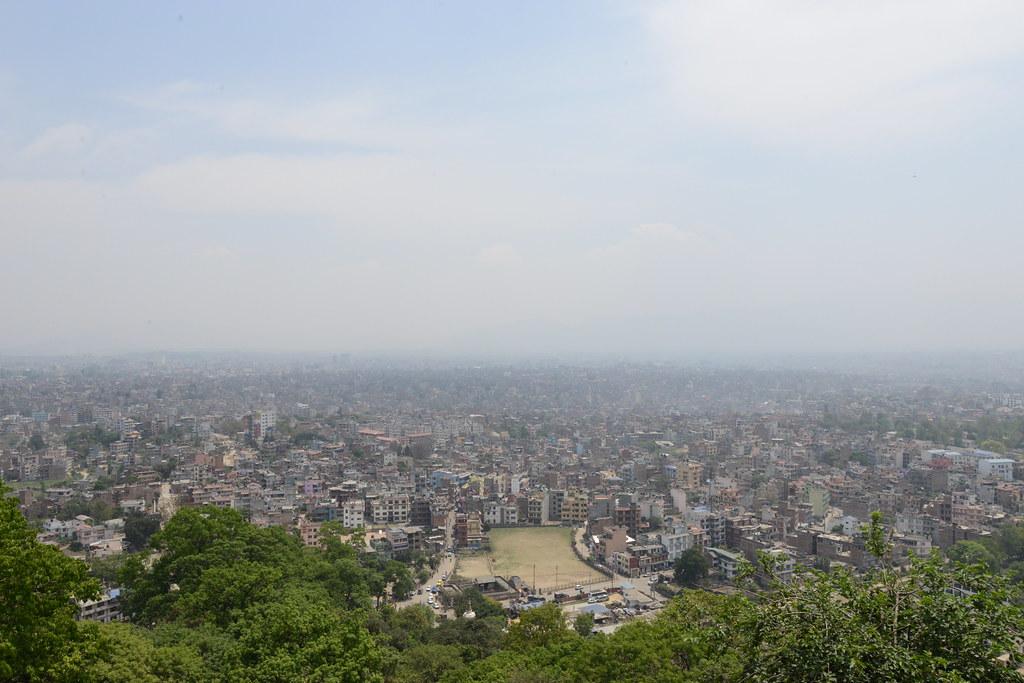
Our vision: the ZillowZillowThe largest consumer real-estate site in the United States: nearly every home, with price history and valuations, built on shared MLS data.Click to open Wikipedia and Realtor.comRealtor.comA US listings site fed directly by hundreds of MLS databases, so a home listed by a broker appears there within minutes.Click to open Wikipedia of Nepal
We want MeroEstate to be the place every Nepali opens first when they think about a home: to buy, to rent, to sell, or just to know what the house next door is worth. Realtor.comRealtor.comA US listings site fed directly by hundreds of MLS databases, so a home listed by a broker appears there within minutes.Click to open Wikipedia and ZillowZillowThe largest consumer real-estate site in the United States: nearly every home, with price history and valuations, built on shared MLS data.Click to open Wikipedia became that in America by sitting on top of honest, shared data. We do not have that data yet, so we have to build the shared layer and the front door at the same time.
How we get there is not a secret. First, one map of every listing in the country, each tied to a verified owner. Second, a listing layer that brokersbrokerIn Nepal usually an informal, unlicensed agent (dalal) who connects buyers and sellers and takes a commission from both sides.Click to open Wikipedia and agencies can cooperate on, with clear representation and clear rules, so that a home listed once is visible everywhere: the MLSMLSMultiple Listing Service: a shared database where cooperating brokers list homes once and every member sees them, with rules on accuracy and commission.Click to open Wikipedia Nepal never had. Third, real data back to the public: asking prices by wardwardThe smallest administrative unit in Nepal. Addresses, property tax and most local records are organised by ward.Click to open Wikipedia, what rents cost by neighbourhood, and over time what actually sold. Fourth, free core access for everyone, with money made only from visibility and services that people choose to pay for. Fifth, Nepali first and mobile first, because most of the country will never search for a home on a laptop.
We will not get there this year, and probably not next. Markets that run on word of mouth do not change because an app launched. They change when enough owners, brokers and buyers decide that the honest way is also the easier way. Our job is to make that true, one verified listing at a time.
Alok Jha
Founder, MeroEstate · Kathmandu, 3 November 2026
More from the team
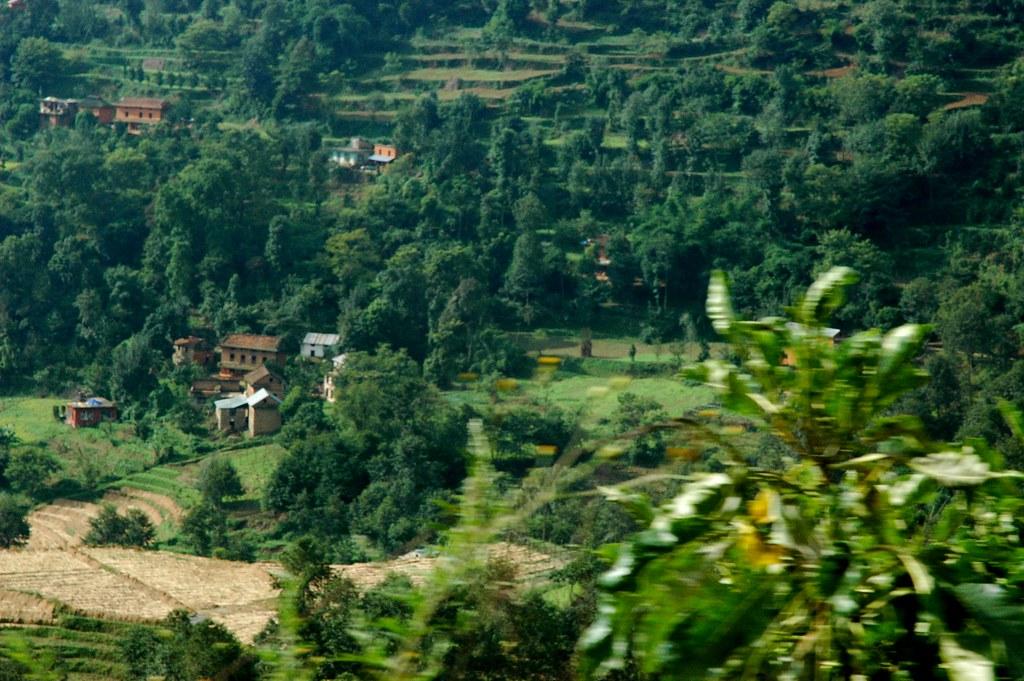
What a LalpurjaLalpurjaThe land ownership certificate ("red paper") issued by a Land Revenue Office in Nepal. It proves title, not the boundary on the ground.Click to open dolma.gov.np does not tell you
By Pravesh AryalCo-Founder
A LalpurjaLalpurjaThe land ownership certificate ("red paper") issued by a Land Revenue Office in Nepal. It proves title, not the boundary on the ground.Click to open dolma.gov.np is the ownership certificate every land buyer in Nepal asks for, and it is the beginning of the story rather than the end. It names the owner, the kitta numberkitta numberThe parcel number a plot carries on the government cadastral map. It links the Lalpurja, the map and every transaction.Click to open Wikipedia and the area. It does not tell you where the boundary actually runs, whether the access road is legally a road, whether the plot sits in a floodplain, or whether a relative has a claim that was never written down.
Most of the verification work in a land purchase today is done on foot and by trust. You walk the plot with a surveyorsurveyorA licensed professional who measures a plot on the ground and matches it to the cadastral map.Click to open Wikipedia. You ask neighbours. You visit the Land Revenue OfficeLand Revenue OfficeThe Malpot office in each district that registers land transfers, collects land tax and issues the Lalpurja.Click to open dolma.gov.np and the survey officesurvey officeThe Napi office that keeps the cadastral maps on which every kitta is drawn. Boundary disputes and plot splits start here.Click to open Survey Department and hope the sketch on file resembles the field in front of you. Educated buyers do this well; first-time buyers and families abroad cannot.
This is the part of MeroEstate I care most about. Our land mode starts from the map, not from a text box. The seller draws the parcel, enters the kitta numberkitta numberThe parcel number a plot carries on the government cadastral map. It links the Lalpurja, the map and every transaction.Click to open Wikipedia, uploads the LalpurjaLalpurjaThe land ownership certificate ("red paper") issued by a Land Revenue Office in Nepal. It proves title, not the boundary on the ground.Click to open dolma.gov.np and, where they have it, the kitta overlaykitta overlayThe parcel outline from the cadastral sheet placed on a satellite or street map, so the paper boundary can be seen on real ground.Click to open Wikipedia and the measurement proof. Our team checks the documents against the shape before the listing is published. The unit of measurement stays what the deed says, ropani and aanaropani and aanaLand units used in the hills and the Kathmandu valley. One ropani is 16 aana, about 509 square metres; prices are quoted per aana.Click to open Wikipedia in the hills, bigha and katthabigha, kattha and dhurLand units used in the Terai plains. One bigha is 20 kattha (about 6,772 square metres); one kattha is 20 dhur.Click to open Wikipedia in the TeraiTeraiNepal’s southern lowland plains along the Indian border, home to about half the population, with its own land units and customs.Click to open Wikipedia, so that nothing is lost in conversion.
We are not a survey office and we do not pretend to be. What we can do is make sure that when you look at a plot on our map, the shape, the paper and the person selling it agree with each other. That alone removes most of the surprises.
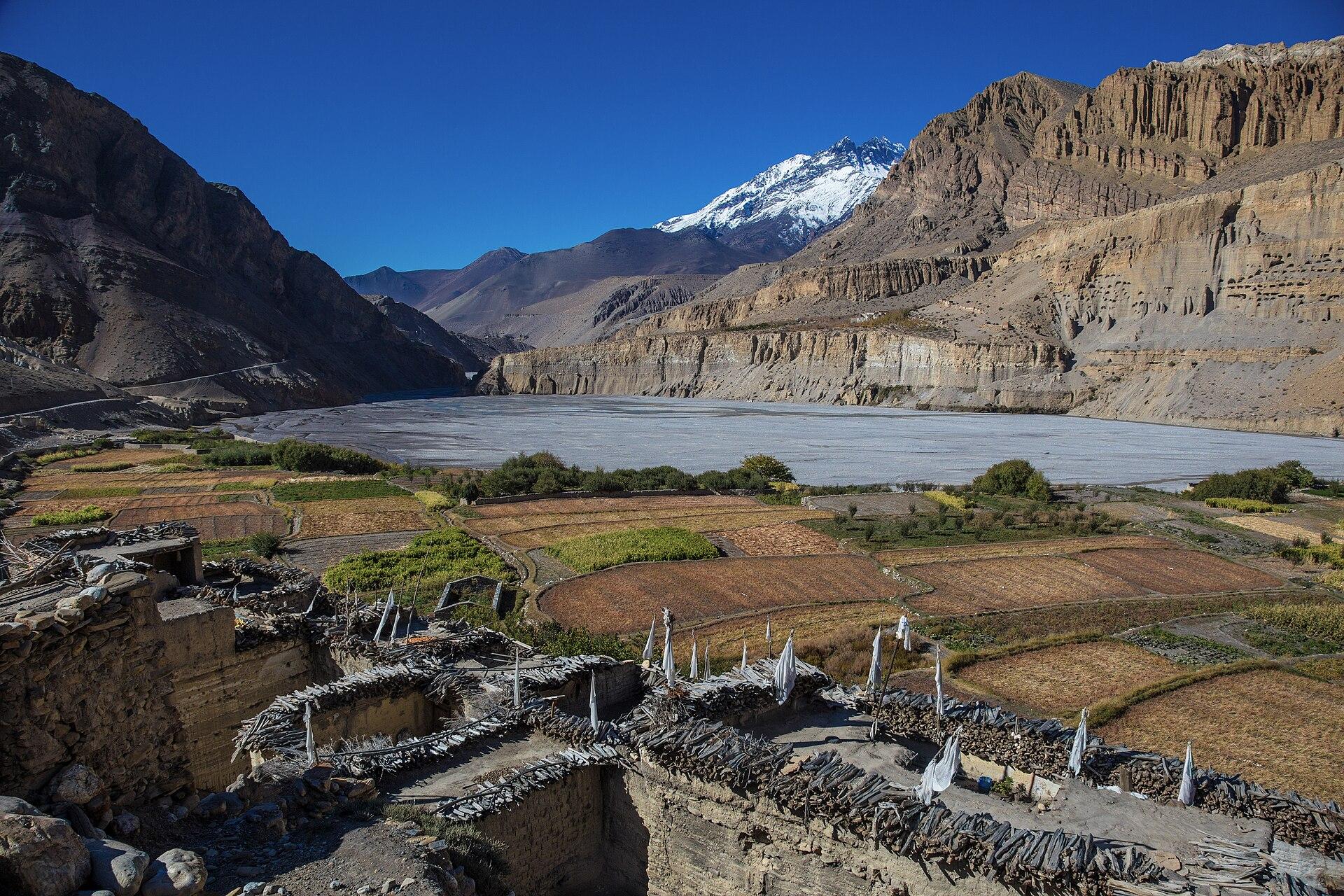
Built for all of Nepal, not only the valleyKathmandu valleyThe bowl-shaped valley holding Kathmandu, Lalitpur and Bhaktapur: the most expensive land in Nepal and where most brokers work.Click to open Wikipedia
By Ayush Raj ShahCo-Founder
It is easy to build a property app for Kathmandu and call it a Nepal app. The valleyKathmandu valleyThe bowl-shaped valley holding Kathmandu, Lalitpur and Bhaktapur: the most expensive land in Nepal and where most brokers work.Click to open Wikipedia has the brokersbrokerIn Nepal usually an informal, unlicensed agent (dalal) who connects buyers and sellers and takes a commission from both sides.Click to open Wikipedia, the prices and the phones. But most Nepalis do not live there, and most of the land that changes hands does not either. A platform that only works in LalitpurLalitpurAlso called Patan: the city south of Kathmandu across the Bagmati, with some of the valley’s most sought-after neighbourhoods.Click to open Wikipedia and BaluwatarBaluwatarA central Kathmandu neighbourhood near the prime minister’s residence, among the priciest addresses in the country.Click to open Wikipedia is not solving the problem we set out to solve.
So we made three decisions that cost us time. MeroEstate works in Nepali as well as English, including the units and the words people actually use for a room, a flat or a plot. It is built for a phone on a weak connection first, with a native app for Android and iOS, because that is how a family in JanakpurJanakpurA city in the eastern Terai, capital of Madhesh Province and a major pilgrimage centre.Click to open Wikipedia or ButwalButwalA fast-growing trade city in the western Terai, on the highway between the hills and India.Click to open Wikipedia will reach us. And the representationrepresentationMeroEstate’s feature for letting a broker or relative act for an owner, with permissions the owner can see and revoke. Both names stay on the listing.Click to open MeroEstate system lets a trusted brokerbrokerIn Nepal usually an informal, unlicensed agent (dalal) who connects buyers and sellers and takes a commission from both sides.Click to open Wikipedia in PokharaPokharaNepal’s second city, on Phewa Lake below the Annapurna range, and the country’s tourism capital.Click to open Wikipedia or BiratnagarBiratnagarAn industrial city in the far eastern Terai and the capital of Koshi Province.Click to open Wikipedia manage listings for owners who live abroad, with the owner still visible and still in control.
The diasporadiasporaNepalis living and working abroad. Their remittances fund much of the land bought at home, and they cannot visit a plot before buying.Click to open Wikipedia matters here too. A large share of the money that buys land in Nepal is earned outside it. Those buyers cannot walk the plot, cannot meet the broker and cannot read a sketch at the survey office. They need a map they can trust and a seller whose identity has been checked. That is exactly what we are building, and it is why we insist on verification even when it slows us down.
If you are a brokerbrokerIn Nepal usually an informal, unlicensed agent (dalal) who connects buyers and sellers and takes a commission from both sides.Click to open Wikipedia outside the valleyKathmandu valleyThe bowl-shaped valley holding Kathmandu, Lalitpur and Bhaktapur: the most expensive land in Nepal and where most brokers work.Click to open Wikipedia and you want your district on this map, write to me. The map is the same for everyone, and so are the rules.
Photographs: “Nepal - Kathmandu - 002 - the interesting 3D rooftops of Thamel” by McKay Savage, CC BY 2.0; “Typical Boudha Alleyway, Kathmandu” by Wonderlane, CC BY 2.0; “Kathmandu valley as seen from Swayambhunath” by Jorge Lascar, CC BY 2.0; “Village in the valley below, terraced fields, traveling to Pharping” by Wonderlane, CC BY 2.0; “Chhusang fields” by Jmhullot, CC BY 3.0.